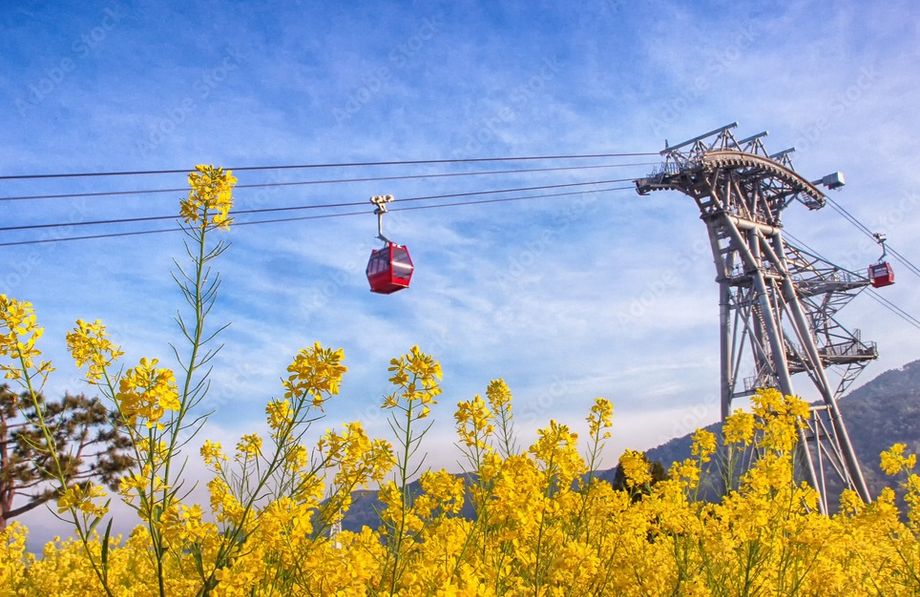
 Gyeongnam, South Korea’s second largest city. Photo Credit: Adobe stock/Ken
Beyond Seoul, outlying cities are offering more ways to meet in places such as Goyang, Gangwon and Gyeongnam.
Goyang
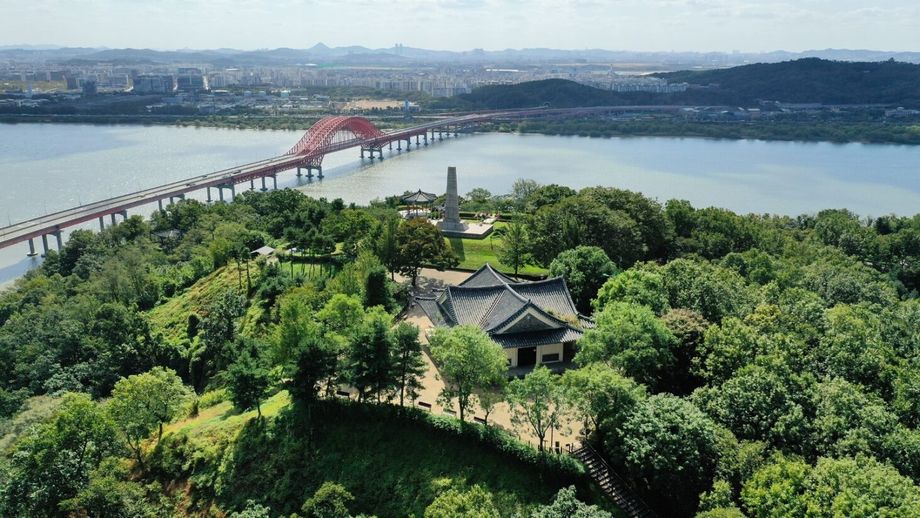 Splendid beauty at Haengju Fortress.
Goyang, a quick 20-minute drive from Seoul, is capitalising on the
Hallyu connection. The city is home to GCC Goyang (Global Convention
Complex), a sprawling district around a picturesque lake that
encompasses KINTEX, the country’s largest convention and exhibition
space, hotels and shopping malls.
Goyang’s connection to the pop entertainment industry runs deep.
Major broadcasting companies such as MBC and JTBC, are located in the
Goyang Broadcasting and Filming Valley. Parts of Bong Joon Ho’s
Oscar-winning film, Parasite, were filmed in the Goyang Aqua Studio,
where visitors can experience one of the restored main sets. The city is
also famously the hometown of BTS’ leader RM, and among its local
attractions is a hand-painted mural of RM at the city’s tourist
information centre.
Come 2024, Goyang is scheduled to unveil CJ Live City, the country’s
first arena, with an indoor seating capacity of 20,000 and an outdoor
area that can accommodate 40,000. Goyang is expected to attract over 20
million annual visitors.
Gangwon
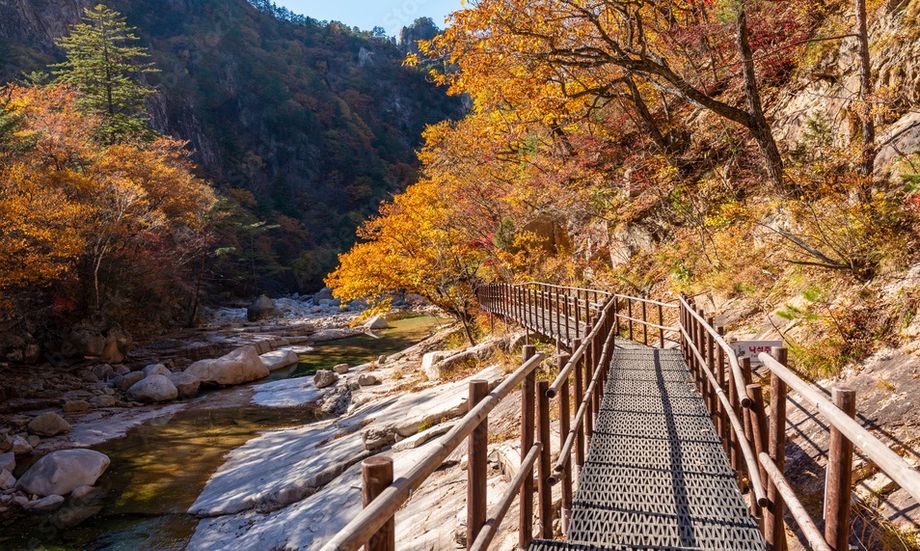 Natural beauty at Gangwon
The northern coastal province of Gangwon, an hour from Seoul, is best
known for its striking sea-to-summit landscapes and distinct seasons.
It offers outdoor-based activities, from skiing to hiking, making it an
attractive MICE option. Its MICE infrastructure enjoyed a big boost from
the 2018 PyeongChang Winter Games, which saw a rise in the number of
hotels and meeting venues. The high-speed KTX connects Gangwon and Seoul
in two hours. The province is also home to the Sokcho Cruise Port,
adding the possibility of a sailing dimension to meetings.
Gyeongnam
The scenic Gyeongnam, along the country’s southeastern coast – less
than 100 kms from Busan, South Korea’s second-largest city – is another
growing MICE destination. The province’s capital of Changwon, planned
and modelled after Australia’s capital city of Canberra, developed in
the 1970s primarily as an industrial town, with a large manufacturing
district housing brands such as Samsung, Hyundai and LG.
Changwon also benefits from a thoughtful curation of developed areas
alongside natural landscapes such as hiking trails, parks and beaches,
as well as such as arts and culture exhibitions and the annual K-Pop
World Festival.