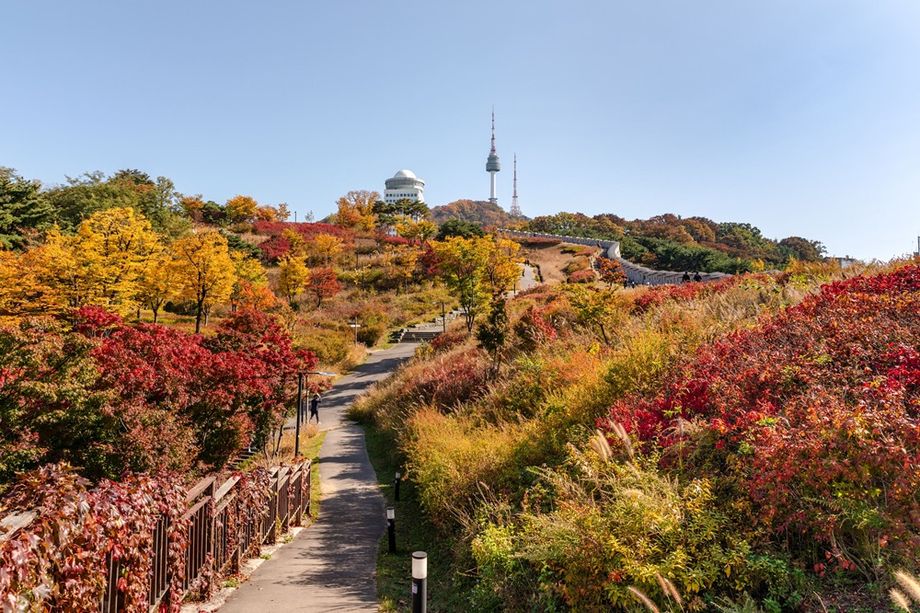
 Namshan Park, Seoul, South Korea.
The immense popularity of Korean pop culture, collectively known as
Hallyu or K-Wave, has been unstoppable. From Korean videos, music, to
soap operas, its global influence shows no signs of abating. All these
have helped turn South Korea into one of the world’s largest economies
and boosted its MICE appeal.
Seoul is a city that combines tradition and modernity, offering the
charm of being able to enjoy cultural heritage and historical sites
amidst the bustling city centre. Moreover, it is a nature-friendly city
with unique topography, allowing for hiking and mountain climbing within
the urban area.
Seoul’s MICE infrastructure has developed to meet both domestic and
international demand. The city has over 70 unique venues, as well as
team-building activities that incorporate K-Wave and Hallyu as one of
Seoul’s unique selling propositions.
A 150-pax incentive delegation from Indonesia booked the Eland
Hangang River Cruise after seeing a K-Pop music video filmed on the
ship, and special interactive entertainment included onboard K-Pop dance
lessons. The Hyundai, the city’s largest department store, now offers
K-Pop dance classes to visiting groups.
The Seoul Convention Bureau is dedicated to supporting the successful hosting of MICE events and actively providing excellent MICE services in close collaboration with the MICE industry in Seoul.

Seoul Tourism Organization (STO) president and CEO, Ki Yon Kil
“The rising global popularity of K-pop alongside K-drama and
K-beauty, has raised the profile of South Korea, attracting more people
to visit the country to discover and learn more about its diverse
culture and explore its many attractions,” observed Min Bae, Hyatt VP,
Revenue, Sales & Distribution - North & Southeast Asia and
Pacific.
The global hotel chain operates six properties in the country,
including three in Seoul: Grand Hyatt Seoul (615 rooms), Park Hyatt
Seoul (184 rooms) and Andaz Seoul Gangnam (241 rooms), which opened in
2019. Among Andaz Seoul Gangnam’s standout features is an events space
called Beyond the Glass, which can accommodate groups of up to 290 pax.
Other recent openings include the 295-room Mondrian Seoul Itaewon,
the 200-room Le Meridien Myeongdong and the 274-room Nine Tree Premier
ROKAUS Hotel in Yongsan-gu.
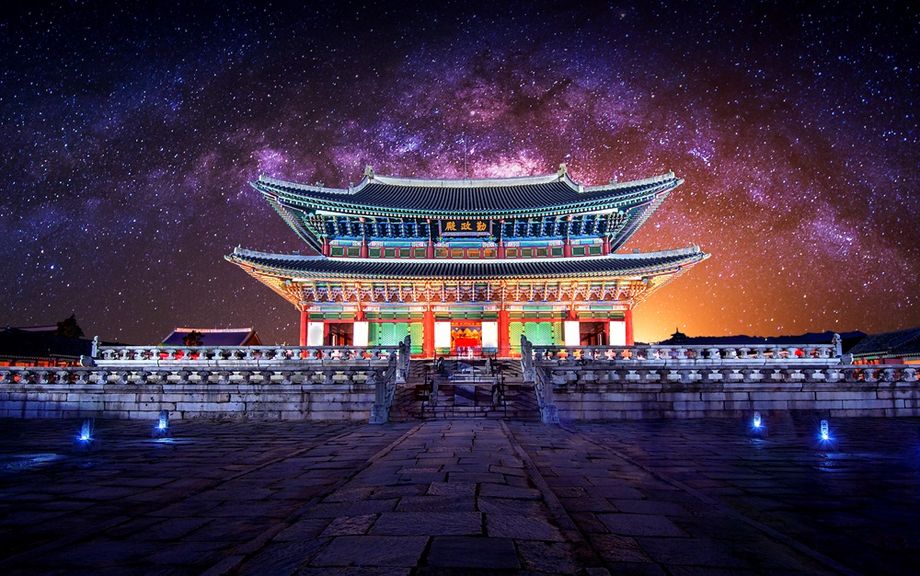 Palatial delights at Gyeongbokgung Palace. Photo Credit: Adobe stock/tawatchai1990
Cultural drawcards
Atika Rosli, CEO and founder of Beyond Events Asia, organises
incentive trips and meetings ranging from 50 to 250 pax; they seek
experiences beyond pop culture. “While K-pop and K-drama are very
popular globally, our clients are more interested in the history,
culture and society of the country. For instance, we once hosted a group
of car dealers from Switzerland at K-Pop Star Road in Apgujeong. They
were more interested in the architecture and innovation than taking
photos with the Gangnam Dolls.”
The Seoul Convention Bureau (SCB) helps promote the city’s MICE
offerings by spotlighting cultural experiences. STO’s Ki added: "At
international MICE exhibitions, the SCB promotes the Seoul booth by
operating activities and events based on the K-culture of chimaek
(chicken and beer), Korean traditional games and K-dramas, which always
receive enthusiastic responses from visitors. During international
conferences and events, non-verbal performances such as Nanta or
Painters are organised, and K-pop artists are invited.”
These experiences also include day hikes around the city’s trails for
groups keen on active pursuits, market visits and kimchi-making courses
for the foodies, shopping in retail districts, and tours around
revitalised neighbourhoods.