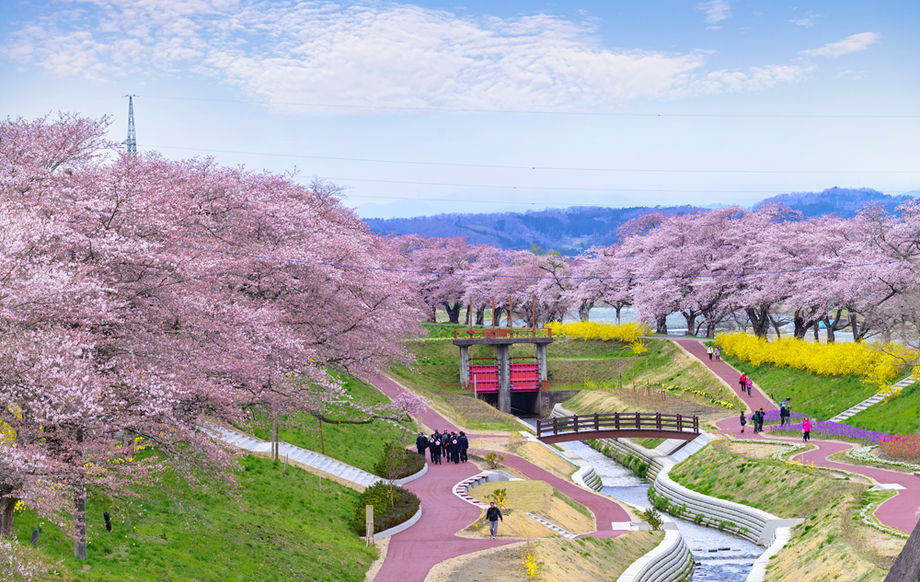
 With groups becoming increasingly well-travelled, demand has grown for more traditional, authentic experiences in Japan. Photo Credit: Adobe Stock/lukyeee_nuttawut
Corporate groups and event planners in Asia are increasingly exploring Japan's lesser-known destinations, moving beyond the well-trodden Tokyo-Kyoto-Osaka "golden route" to discover the unique charm of the country's regional cities.
"Many people have been around the golden route, but smaller places have been kind of left in the dark a little. We like to call these the hidden gems in Japan," said Justin Velgus, coordinator at the Sendai Convention Bureau, during the recent JNTO Singapore MICE Business Meeting 2024. “Now, they’re getting their time in the spotlight.”
This shift comes as seasoned travellers from across Asia seek fresh experiences in Japan, having already explored the country's major metropolitan areas. These repeat visitors are now venturing into what Japanese tourism officials call "second-tier cities", drawn by a combination of authentic experiences and modern amenities.
Incentive groups seek culture, authenticity
Japan's regional cities are increasingly positioning themselves as destinations that offer unique, location-specific experiences. "People are looking more at trying activities or food that you can only experience in a specific kind of place, to have a feeling of authenticity," said Velgus.
In Hokkaido, the renowned winter sports destination of Niseko has positioned itself as an attractive option for corporate retreats and incentive travel. Keita Sekine, representative director of Vacation Niseko, notes that while the region may not be able to compete with Tokyo's massive convention centres, it offers unique advantages for smaller corporate groups.
"We look more to smaller groups of about 100 travellers, in corporate incentive groups," Sekine said, highlighting how the mountain resort setting provides diverse activities that can cater to different group sizes of up to 500 people.
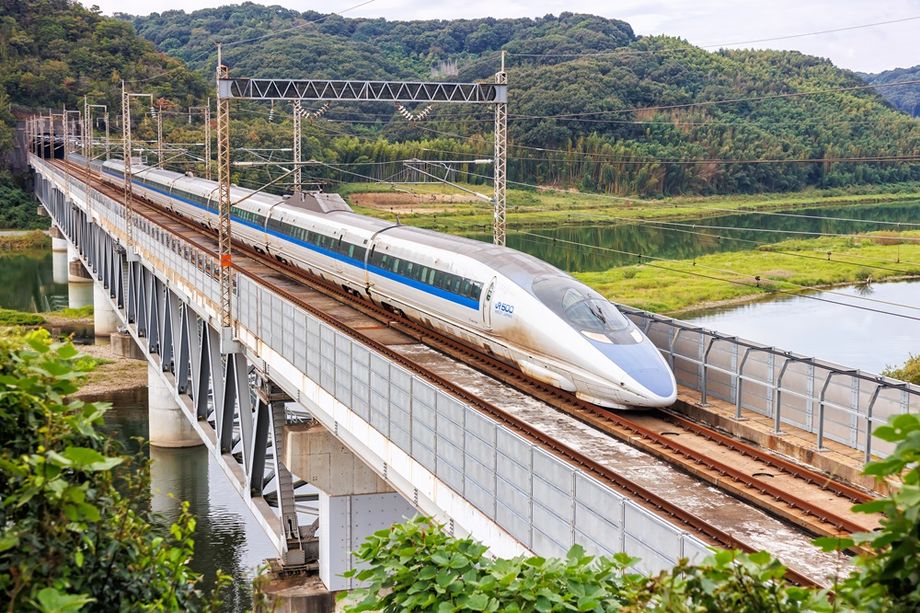 With new infrastructure such as the extension of the Hokuriku shinkansen line, travelling outside of major Japanese cities has never been easier. Photo Credit: AdobeStock/Markus Mainka
Infrastructure developments are playing a crucial role in opening these regional destinations. The recent extension of the Hokuriku shinkansen line to Fukui has made the entire Hokuriku region more accessible to international groups. Local businesses are adapting to meet international standards, with hotels undergoing renovations and restaurants developing more globally friendly menus.
However, these destinations are taking a measured approach to growth. “We don’t have the infrastructure to accommodate (massive numbers) and they won’t have a good experience,” said Velgus. "We want to grow at our own pace, in a way that's beneficial for our visitors as well as the local people and communities. We want the overall experience to be sustainable.”
Diverse preferences among MICE markets
The preferences of MICE groups vary significantly by market. Hitoshi Aoki, CEO of Creson, observes that while Western travellers tend to seek out traditional Japanese cultural experiences, groups from different Asian countries have varying interests. "Groups from Singapore are not so interested in shopping, they prefer to enjoy Japanese culture," Aoki said, adding that groups from other regions might prioritise different aspects of their visit.
“For example,” he said, “we had this group who wanted to go hiking and enjoy nature, so we rented out a big temple for them to try many different activities from ninja or samurai training to kabuki and drums, all in one day.”
Challenges remain, particularly regarding language barriers and communication. Despite technological solutions like translation apps, the nuanced aspects of Japanese hospitality – or omotenashi – can be difficult to convey fully. Yet, this very challenge adds to the authentic experience that many groups are seeking.