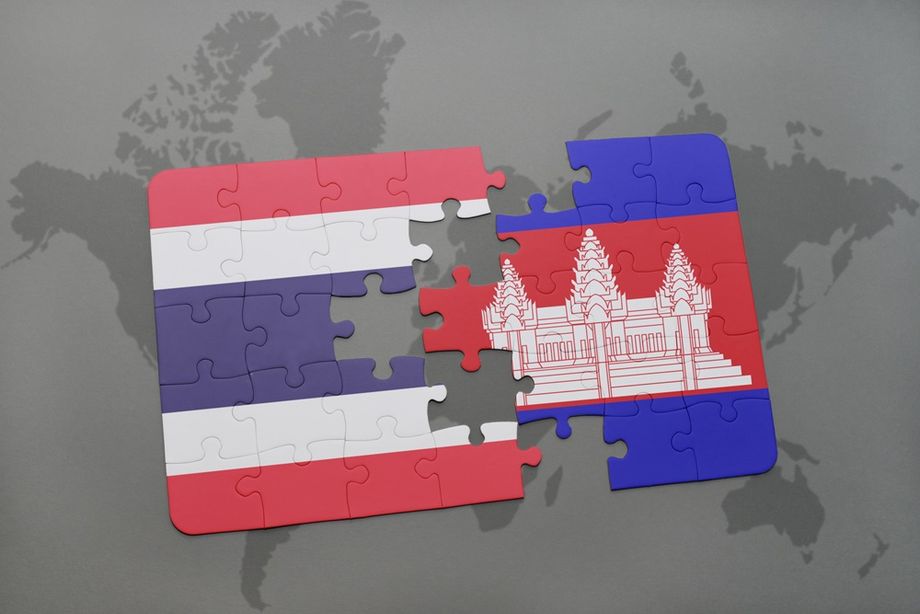
 Thailand and Cambodia have agreed to an “immediate and unconditional ceasefire” from 29 July midnight. Photo Credit: Adobe Stock/luzitanija
Thailand and Cambodia have agreed to an “immediate and unconditional ceasefire” from 29 July midnight after five days of fighting along their shared border, which had raised regional concerns.
The agreement, brokered through efforts by Malaysia (as ASEAN chair), the United States, and China, includes commitments from both sides to resume direct communication and establish a mechanism to implement and monitor the ceasefire.
Despite the clashes – confined to a limited geographic area-- the tourism and events sectors in both countries have remained unaffected. Authorities in both Thailand and Cambodia have confirmed that all major travel destinations remain safe, open, and fully operational.
In Thailand, top destinations such as Bangkok, Phuket, Chiang Mai, Hua Hin, Pattaya, Kanchanaburi, and Khao Yai are functioning as normal, with airports, highways, hotels, and public services continuing without disruption.
In Cambodia, tourism hotspots including Siem Reap and Phnom Penh also remain unaffected, with no interruptions reported in air travel, accommodations, or key visitor services.
As a precautionary measure, all land border crossings between the two countries have been temporarily closed. However, air connectivity remains intact, with flights between Thailand and Cambodia operating as scheduled and no significant impact reported on inbound or outbound travel.
In a statement, the Thailand Convention and Exhibition Bureau (TCEB) recognises that recent developments along the Thailand-Cambodia border may raise concerns among MICE organisers visitors. “We wish to affirm that visitor safety remains our highest priority,” said TCEB. “We are coordinating closely with all relevant authorities to ensure public confidence.”