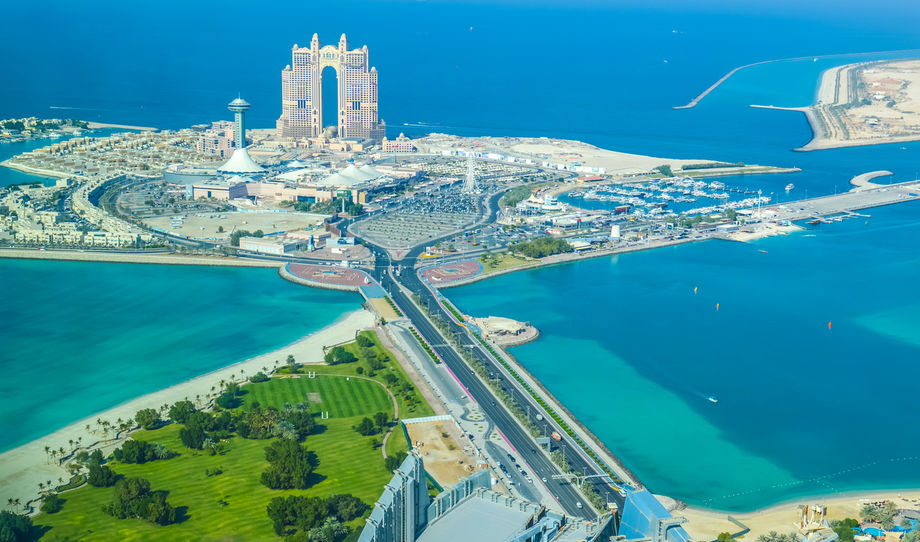
 With a strategy that utilises four sustainability pillars, the Abu Dhabi Department Of Culture And Tourism seeks to boost visitor numbers by 2030. Photo Credit: Adobe Stock/shams Faraz Amir
His Highness Sheikh Khaled bin Mohamed bin Zayed Al Nahyan, Crown
Prince of Abu Dhabi and Chairman of the Abu Dhabi Executive Council, has
approved the new Tourism Strategy 2030 for the emirate.
This strategy seeks to boost visitor numbers from nearly 24 million
in 2023 to 39.3 million by 2030, with a 7% year-on-year growth, and
significantly elevate the tourism and travel sector's contribution to
the UAE's GDP, raising it from approximately AED 49 billion (US$13
billion) in 2023 to AED 90 billion (US$24.5 billion) annually by 2030.
The Strategy will generate an estimated 178,000 new jobs by 2030 as
the entire tourism infrastructure develops to meet this demand. It
intends to almost double international overnight visitors from 3.8
million in 2023 approximately to 7.2 million in 2030, expand hotel room
availability from 34,000 in 2023 to 52,000 by 2030, and further enhance
the holiday home segment to diversify accommodation options.
Fostering sustainable growth across four strategic pillars
To
achieve the Strategy’s goals, 26 key initiatives have been identified
across four strategic pillars: Offering and City Activation; Promotion
& Marketing; Infrastructure & Mobility; and Visa, Licensing, and
Regulations. These pillars form the foundation of Abu Dhabi's
comprehensive approach to realising its ambitious tourism targets and
fostering sustainable growth in the sector.
The first pillar, Offering and City Activation, looks to further
enhance the overall guest experience by unveiling additional cultural
sites, theme parks, retails offerings and new hotel chains. Overall
boosting the emirate’s events calendar of year-round concerts,
festivals, and family events. The dining landscape will diversify
significantly, offering expanded options including the introduction of
culinary schools and training programmes.
The Abu Dhabi Department Of Culture And Tourism (DCT Abu Dhabi) will
also more than double its promotion and marketing efforts, expanding its
international reach from 11 to 26 markets and enhancing synergy within
Abu Dhabi's tourism ecosystem. It will also establish strategic global
partnerships with media outlets and well-known brands for high-profile
collaborations, creating compelling, market-specific content across
various touchpoints.
The Strategy’s infrastructure and mobility pillar will increase hotel
room availability across various categories, including accessible and
luxury options, glamping, and farm stays. Through valued collaborations,
the emirate is set to enhance roads, public transport, and
infrastructure, simplifying travel within and boosting visitor inflow
through increased flight seat capacity with both local and international
airlines.
Lastly, both visitor experience and tourism business operations will
be greatly enhanced with streamlined visa, licensing and regulation
processes. In collaboration with relevant government agencies, enhanced
platforms and processes will reduce time frames for all applications and
permits, to improve the ease of doing business and attract investment.